📋 Key Takeaways
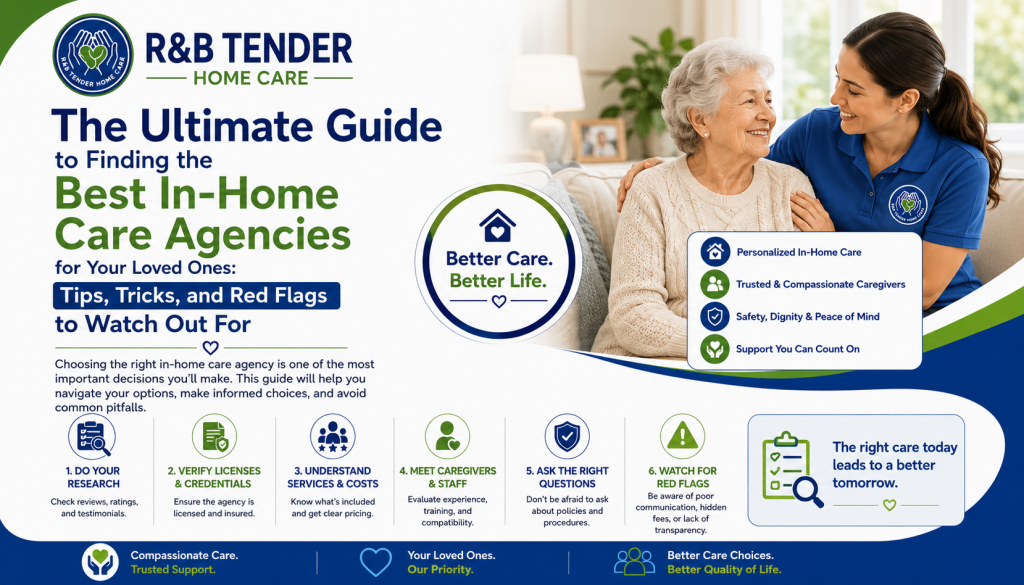
- When searching for in-home care agencies, it’s essential to consider factors such as licensure, certifications, and reviews from previous clients.
- In-home care agencies offer a range of benefits, including personalized care, flexibility, and cost-effectiveness compared to traditional senior care services.
- Asking the right questions during the interview process is crucial to finding the best in-home care agency for your loved one, such as their caregiver screening process and emergency response plan.
- Red flags to watch out for include poor communication, high staff turnover rates, and unclear pricing structures.
- By doing your research and taking the time to find the right in-home care agency, you can ensure your loved one receives the best possible care and support.
📑 Table of Contents
Introduction to In-Home Care Agencies
In-home care agencies provide a range of services to support seniors and individuals with disabilities in the comfort of their own homes. These services can include personal care, household chores, and medication management. With the increasing demand for senior care services, in-home care agencies have become a popular option for those who want to maintain their independence and receive personalized care. For more information on senior care services, check out our Ultimate Guide to Senior Care Services.
What to Expect from In-Home Care Agencies
In-home care agencies typically employ trained caregivers who are experienced in providing care and support to seniors and individuals with disabilities. These caregivers can assist with daily tasks, provide companionship, and help with medication management and health monitoring. When searching for in-home care agencies, it’s essential to consider factors such as licensure, certifications, and reviews from previous clients.
Benefits of In-Home Care
In-home care agencies offer a range of benefits, including personalized care, flexibility, and cost-effectiveness compared to traditional senior care services. With in-home care, seniors can receive one-on-one attention and care tailored to their specific needs and preferences. Additionally, in-home care agencies can provide respite care for family caregivers, giving them a much-needed break and reducing the risk of caregiver burnout. For more information on elderly care options, check out our article on In-Home Care Agencies vs Licensed Assisted Living Facilities.
Statistics on In-Home Care
According to the National Association of Home Care and Hospice, over 12 million Americans receive in-home care services each year. In-home care agencies have also been shown to reduce hospital readmission rates and improve health outcomes for seniors and individuals with disabilities.
How to Find the Best In-Home Care Agencies
Finding the best in-home care agency for your loved one can be a daunting task, but with the right research and preparation, you can make an informed decision. Here are some steps to follow:
- Research local in-home care agencies and read reviews from previous clients.
- Check for licensure and certifications, such as Joint Commission accreditation.
- Ask for references and contact them to learn more about their experiences with the agency.
- Consider factors such as cost, services offered, and caregiver qualifications.
For more information on finding the best assisted living facilities near you, check out our article on Unlocking the Best Assisted Living Facilities Near Me.
Questions to Ask When Interviewing In-Home Care Agencies
Asking the right questions during the interview process is crucial to finding the best in-home care agency for your loved one. Here are some questions to ask:
- What is your caregiver screening process, and how do you ensure their qualifications and experience?
- What is your emergency response plan, and how do you handle unexpected situations?
- What services do you offer, and how can you tailor your care to meet my loved one’s specific needs?
- What is your communication style, and how will you keep me informed about my loved one’s care?
Red Flags to Watch Out For
When searching for in-home care agencies, there are several red flags to watch out for, including:
- Poor communication or unresponsive staff.
- High staff turnover rates or inadequate caregiver training.
- Unclear pricing structures or hidden fees.
- Lack of transparency or unwillingness to provide information about their services or caregivers.
If you notice any of these red flags, it’s best to continue your search and find an agency that prioritizes your loved one’s care and well-being.
Conclusion
Finding the best in-home care agency for your loved one requires research, preparation, and a thorough understanding of their needs and preferences. By considering factors such as licensure, certifications, and reviews, and asking the right questions during the interview process, you can ensure your loved one receives the best possible care and support. For more information on home care services for seniors, check out our article on Home Care Services for Seniors: A Comprehensive Comparison.
❓ Frequently Asked Questions
Q: What is the difference between in-home care agencies and assisted living facilities?
In-home care agencies provide care and support in the comfort of your own home, while assisted living facilities provide a residential setting with care and support services.
Q: How do I know if my loved one needs in-home care?
Your loved one may need in-home care if they require assistance with daily tasks, such as bathing, dressing, or medication management, or if they need companionship and social interaction.
Q: What services do in-home care agencies typically offer?
In-home care agencies typically offer a range of services, including personal care, household chores, medication management, and health monitoring.
Q: How do I find the best in-home care agency for my loved one?
To find the best in-home care agency, research local agencies, read reviews, check for licensure and certifications, and ask questions during the interview process.
Q: What are the benefits of in-home care compared to traditional senior care services?
In-home care offers personalized care, flexibility, and cost-effectiveness compared to traditional senior care services, and can also provide respite care for family caregivers.
Q: How can I ensure my loved one’s safety and well-being while receiving in-home care?
To ensure your loved one’s safety and well-being, research the agency thoroughly, ask questions during the interview process, and establish clear communication with the agency and caregivers.