📋 Key Takeaways
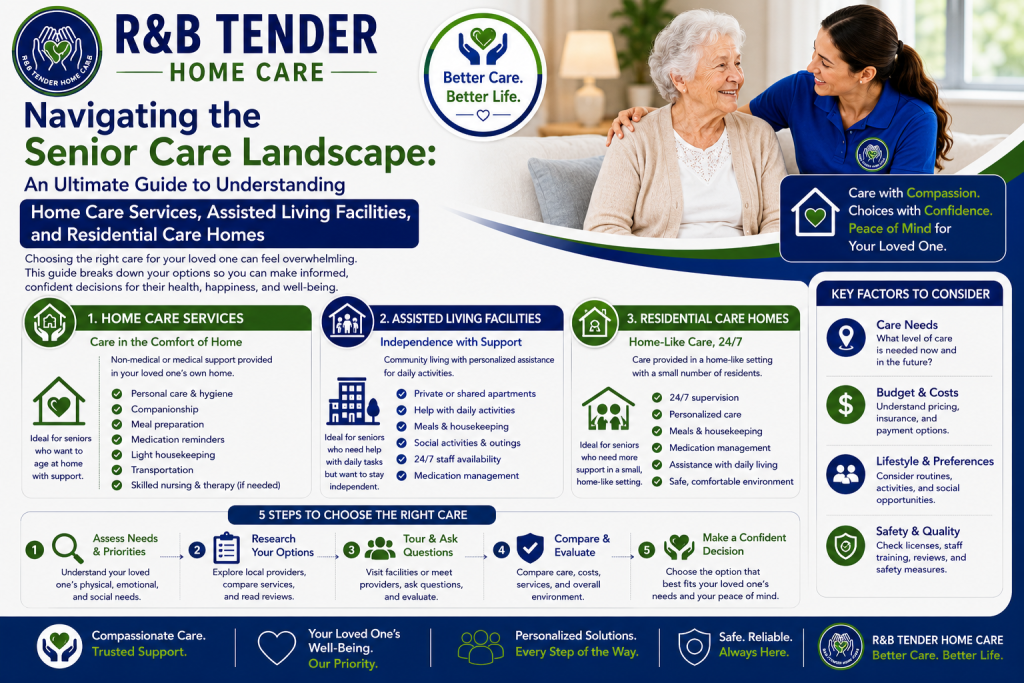
- Understanding the different types of senior care services, including home care services, assisted living facilities, and residential care homes, is crucial for making informed decisions.
- Each type of care has its unique benefits, drawbacks, and suitability for different individuals and families.
- Home care services offer personalized care in the comfort of one’s own home, while assisted living facilities provide a community-based living arrangement with access to care and amenities.
- Residential care homes offer a more intimate, family-like setting with around-the-clock care and support.
- Choosing the best senior care service requires careful consideration of factors such as cost, location, level of care needed, and personal preferences.
📑 Table of Contents
Introduction to the Senior Care Landscape
The senior care landscape is complex and multifaceted, with a wide range of options available to meet the diverse needs of older adults. As the population ages, the demand for senior care services is increasing, with 70% of adults aged 65 and older requiring some form of long-term care. Understanding the different types of senior care services is essential for making informed decisions and ensuring that individuals receive the care and support they need.
Statistics and Trends
According to the National Institute on Aging, the number of older adults in the United States is projected to increase from 49 million in 2016 to 73 million by 2030. This demographic shift has significant implications for the senior care industry, with a growing need for innovative and effective care solutions.
Overview of Home Care Services
Home care services provide personalized care and support in the comfort of one’s own home. These services can include personal care, such as bathing and dressing, as well as household assistance, such as meal preparation and light housekeeping. Home care services are ideal for individuals who want to maintain their independence and remain in their own homes, but require some level of support to do so.
Benefits and Drawbacks
The benefits of home care services include increased independence, personalized care, and cost-effectiveness. However, home care services may not be suitable for individuals who require around-the-clock care or have complex medical needs. For more information on home care services, visit our article on Home Care Services for Seniors.
Overview of Assisted Living Facilities
Assisted living facilities provide a community-based living arrangement with access to care and amenities. These facilities offer a range of services, including personal care, meal preparation, and housekeeping. Assisted living facilities are ideal for individuals who want to maintain their independence, but require some level of support and social interaction.
Types of Assisted Living Facilities
There are several types of assisted living facilities, including traditional assisted living facilities, memory care facilities, and continuing care retirement communities. Each type of facility has its unique benefits and drawbacks, and suitability for different individuals and families. For more information on assisted living facilities, visit our article on Assisted Living Facilities Near Me.
Overview of Residential Care Homes
Residential care homes provide a more intimate, family-like setting with around-the-clock care and support. These homes are ideal for individuals who require high-level care and personalized attention. Residential care homes offer a range of services, including personal care, meal preparation, and housekeeping.
Benefits and Drawbacks
The benefits of residential care homes include personalized care, intimate setting, and cost-effectiveness. However, residential care homes may not be suitable for individuals who require specialized medical care or have complex medical needs. For more information on residential care homes, visit our article on The Ultimate Guide to Senior Care Services.
How to Choose the Best Senior Care Services
Choosing the best senior care service requires careful consideration of factors such as cost, location, level of care needed, and personal preferences. It is essential to research and evaluate different options, including home care services, assisted living facilities, and residential care homes.
Steps to Choosing the Best Senior Care Service
The steps to choosing the best senior care service include:
1. Assessing care needs: Determine the level of care needed and the type of services required.
2. Researching options: Research and evaluate different senior care services, including home care services, assisted living facilities, and residential care homes.
3. Evaluating costs: Evaluate the costs of different senior care services and consider factors such as insurance coverage and financial assistance.
4. Visiting facilities: Visit assisted living facilities and residential care homes to assess their quality and suitability.
Conclusion and Recommendations
Navigating the senior care landscape can be complex and overwhelming, but with the right information and support, individuals and families can make informed decisions and choose the best senior care services for their needs. We recommend researching and evaluating different options, including home care services, assisted living facilities, and residential care homes, and considering factors such as cost, location, and level of care needed.
For more information on senior care services, visit our article on Elderly Care Options. To find the perfect fit for your senior care needs, visit our article on Finding the Perfect Fit: A Step-by-Step Guide to Choosing the Best Assisted Living Facilities Near Me.
❓ Frequently Asked Questions
Q: What is the difference between home care services and assisted living facilities?
Home care services provide personalized care and support in the comfort of one’s own home, while assisted living facilities provide a community-based living arrangement with access to care and amenities.
Q: How do I choose the best senior care service for my loved one?
Choosing the best senior care service requires careful consideration of factors such as cost, location, level of care needed, and personal preferences. It is essential to research and evaluate different options, including home care services, assisted living facilities, and residential care homes.
Q: What are the benefits of residential care homes?
The benefits of residential care homes include personalized care, intimate setting, and cost-effectiveness. Residential care homes provide a more intimate, family-like setting with around-the-clock care and support.
Q: What is the difference between assisted living facilities and nursing homes?
Assisted living facilities provide a community-based living arrangement with access to care and amenities, while nursing homes provide skilled nursing care and rehabilitation services. Assisted living facilities are ideal for individuals who want to maintain their independence, but require some level of support and social interaction.
Q: Can I afford senior care services?
Affordability of senior care services depends on various factors, including insurance coverage, financial assistance, and personal financial resources. It is essential to evaluate the costs of different senior care services and consider factors such as insurance coverage and financial assistance.