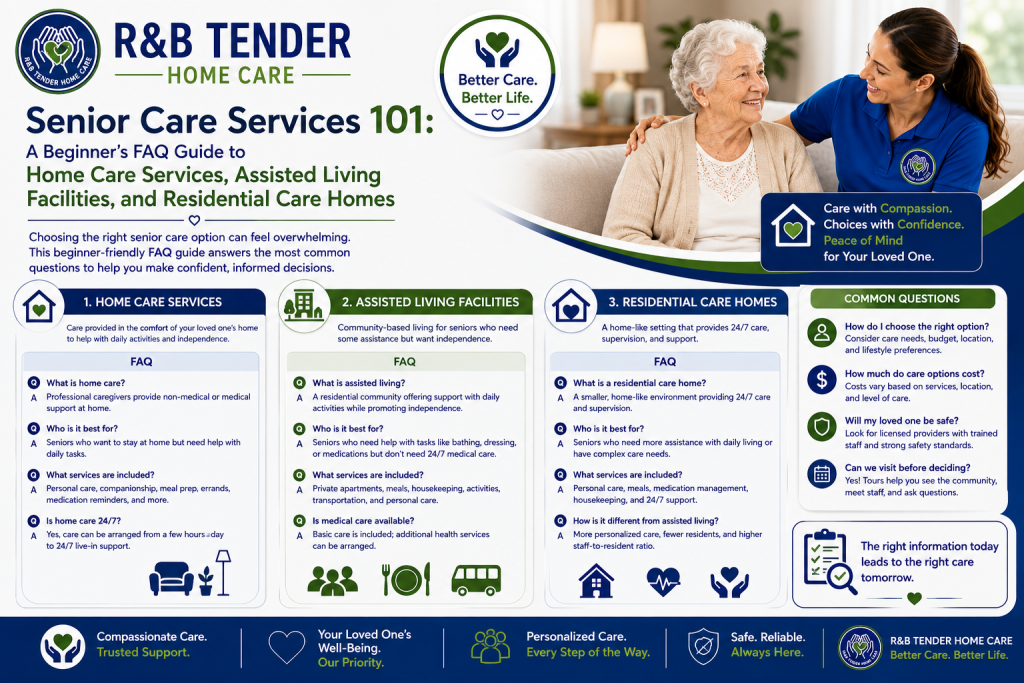
📋 Key Takeaways
- Senior care services encompass a range of options, including home care services, assisted living facilities, and residential care homes, to support the unique needs of older adults.
- Home care services allow seniors to receive care in the comfort of their own homes, with services ranging from personal care to medication management.
- Assisted living facilities provide a supportive community environment, offering assistance with daily tasks, meals, and social activities.
- Residential care homes offer a more intimate, family-like setting, with a focus on personalized care and attention.
- Choosing the right senior care service depends on individual needs, preferences, and budget, with comprehensive guides available to help navigate the decision-making process.
📑 Table of Contents
Introduction to Senior Care Services
As the population ages, the demand for senior care services continues to grow. According to the Administration for Community Living, the number of Americans aged 65 and older is projected to reach 73 million by 2030. With this growth comes an increasing need for supportive services that cater to the unique needs of older adults. Senior care services encompass a range of options, including home care services, assisted living facilities, and residential care homes. Each type of service is designed to provide a distinct level of care and support, allowing seniors to maintain their independence and quality of life.
Types of Senior Care Services
The primary types of senior care services include:
- Home care services: providing care in the comfort of one’s own home
- Assisted living facilities: offering a supportive community environment
- Residential care homes: providing a more intimate, family-like setting
These services can be tailored to meet the individual needs of each senior, taking into account their medical requirements, personal preferences, and budget.
Frequently Asked Questions about Home Care Services
Home care services are a popular option for seniors who wish to remain in their own homes. Some frequently asked questions about home care services include:
- What types of services are included in home care?
- How do I choose the right home care agency?
- What are the costs associated with home care services?
For more information on home care services, visit our comprehensive guide to home care services for seniors.
Benefits of Home Care Services
Home care services offer numerous benefits, including:
- Personalized care and attention
- Flexibility and convenience
- Cost-effectiveness compared to institutional care
According to a study by the AARP, 87% of seniors prefer to age in place, making home care services an attractive option.
Frequently Asked Questions about Assisted Living Facilities
Assisted living facilities provide a supportive community environment, offering assistance with daily tasks, meals, and social activities. Some frequently asked questions about assisted living facilities include:
- What is the difference between assisted living and nursing home care?
- How do I choose the right assisted living facility?
- What are the costs associated with assisted living facilities?
For more information on assisted living facilities, visit our comprehensive guide to assisted living facilities near me.
Benefits of Assisted Living Facilities
Assisted living facilities offer numerous benefits, including:
- Socialization and community engagement
- Access to on-site amenities and services
- Support with daily tasks and medication management
According to a study by the National Center for Assisted Living, assisted living facilities provide a high level of satisfaction among residents, with 90% reporting a positive experience.
Frequently Asked Questions about Residential Care Homes
Residential care homes offer a more intimate, family-like setting, providing personalized care and attention. Some frequently asked questions about residential care homes include:
- What is the difference between residential care homes and assisted living facilities?
- How do I choose the right residential care home?
- What are the costs associated with residential care homes?
For more information on residential care homes, visit our comprehensive guide to elderly care options.
Benefits of Residential Care Homes
Residential care homes offer numerous benefits, including:
- Personalized care and attention
- A more intimate, family-like setting
- Flexibility and adaptability to individual needs
According to a study by the Genworth Financial, residential care homes provide a high level of care and support, with 85% of residents reporting a positive experience.
Conclusion
Senior care services encompass a range of options, each designed to provide a distinct level of care and support. By understanding the different types of senior care services, including home care services, assisted living facilities, and residential care homes, seniors and their families can make informed decisions about their care. For more information on senior care services, visit our comprehensive guide to senior care services. As you navigate the world of senior care, remember to prioritize individual needs, preferences, and budget to ensure the best possible outcome.
❓ Frequently Asked Questions
Q: What is the difference between home care services and assisted living facilities?
Home care services provide care in the comfort of one’s own home, while assisted living facilities offer a supportive community environment. The choice between the two depends on individual needs and preferences.
Q: How do I choose the right senior care service for my loved one?
Choosing the right senior care service involves considering individual needs, preferences, and budget. It’s essential to research and compare different options, read reviews, and consult with professionals to make an informed decision.
Q: What are the costs associated with senior care services?
The costs associated with senior care services vary depending on the type of service, location, and level of care required. Home care services, for example, can range from $20 to $50 per hour, while assisted living facilities can range from $3,000 to $6,000 per month.
Q: Can I customize my senior care service to meet my individual needs?
Yes, many senior care services offer customizable options to meet individual needs and preferences. It’s essential to discuss your needs with the service provider to ensure you receive the best possible care.
Q: What is the role of family members in senior care?
Family members play a vital role in senior care, providing emotional support, assistance with daily tasks, and advocating for their loved one’s needs. It’s essential to involve family members in the care process to ensure the best possible outcome.
Q: How do I ensure my loved one receives high-quality senior care?
Ensuring high-quality senior care involves researching and comparing different service providers, reading reviews, and consulting with professionals. It’s also essential to monitor your loved one’s care and provide feedback to the service provider to ensure the best possible outcome.
Q: What are the benefits of senior care services for seniors and their families?
Senior care services provide numerous benefits for seniors and their families, including peace of mind, socialization, and access to supportive care and services. These benefits can improve overall well-being, quality of life, and satisfaction.