📋 Key Takeaways
- Assisted living facilities provide a supportive environment for seniors who require assistance with daily tasks.
- Benefits of assisted living include socialization, access to healthcare services, and a sense of community.
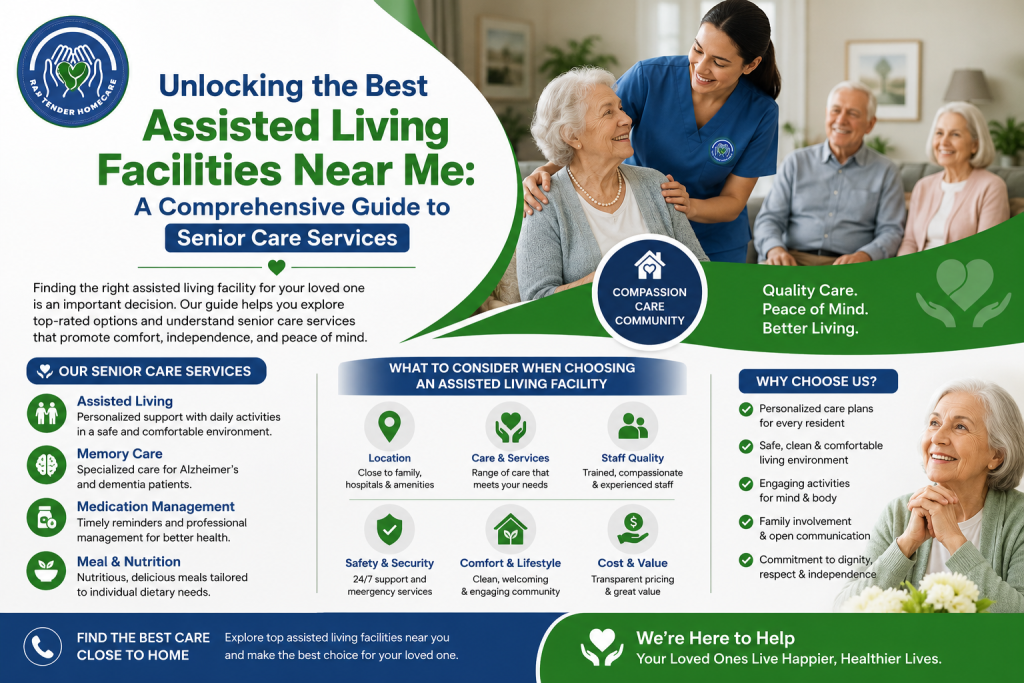
- When choosing an assisted living facility, consider factors such as cost, location, and level of care provided.
- Home care services and residential care homes are alternative options for seniors who prefer to receive care in a more private setting.
- Researching and comparing different care options is crucial to finding the best fit for a senior’s unique needs and preferences.
📑 Table of Contents
Introduction to Assisted Living Facilities
Assisted living facilities provide a supportive environment for seniors who require assistance with daily tasks, such as bathing, dressing, and medication management. These facilities offer a range of services, including meal preparation, housekeeping, and transportation. According to the National Center for Assisted Living, there are over 28,000 assisted living facilities in the United States, providing care to more than 800,000 residents. With the increasing demand for senior care services, it’s essential to understand the benefits and factors to consider when choosing an assisted living facility.
Benefits of Assisted Living
The benefits of assisted living are numerous, including socialization, access to healthcare services, and a sense of community. Assisted living facilities provide opportunities for seniors to engage in activities, such as exercise classes, art therapy, and social events, which can help reduce feelings of loneliness and isolation. Additionally, many facilities offer on-site medical services, such as physical therapy and medication management, which can help seniors manage chronic health conditions. With the support of trained caregivers and access to healthcare services, seniors can maintain their independence and quality of life.
Factors to Consider When Choosing an Assisted Living Facility
When choosing an assisted living facility, there are several factors to consider, including cost, location, and level of care provided. The cost of assisted living facilities can vary widely, depending on the location, amenities, and level of care provided. It’s essential to research and compare the costs of different facilities to find one that fits within your budget. Additionally, consider the location of the facility, including its proximity to family and friends, medical services, and community resources. The level of care provided is also a critical factor, as some facilities may offer specialized care for seniors with dementia or other medical conditions.
Overview of Home Care Services for Seniors
Home care services provide an alternative to assisted living facilities, allowing seniors to receive care in the comfort of their own homes. These services can include personal care, such as bathing and dressing, as well as homemaker services, such as meal preparation and housekeeping. Home care services can be provided by in-home care agencies or private caregivers. According to the National Association for Home Care and Hospice, there are over 12,000 home care agencies in the United States, providing care to more than 5 million seniors.
Comparison of Residential Care Homes and In-Home Care Agencies
Residential care homes and in-home care agencies offer different types of care services for seniors. Residential care homes provide a home-like environment with a small number of residents, typically 4-6, and offer a range of services, including meal preparation and personal care. In-home care agencies, on the other hand, provide care in the senior’s own home, allowing them to maintain their independence and routine. Both options have their advantages and disadvantages, and the choice ultimately depends on the senior’s unique needs and preferences.
Conclusion and Recommendations
In conclusion, assisted living facilities and home care services provide a range of options for seniors who require support with daily tasks. When choosing an assisted living facility, consider factors such as cost, location, and level of care provided. Home care services, including in-home care agencies and private caregivers, offer an alternative to assisted living facilities, allowing seniors to receive care in the comfort of their own homes. To find the best assisted living facilities near you, research and compare different options, and consider factors such as reviews, ratings, and certifications. By taking the time to research and compare different care options, you can find the best fit for your loved one’s unique needs and preferences.
❓ Frequently Asked Questions
Q: What services are typically included in assisted living facilities?
Assisted living facilities typically include services such as meal preparation, housekeeping, transportation, and personal care, such as bathing and dressing.
Q: How do I choose the best assisted living facility for my loved one?
When choosing an assisted living facility, consider factors such as cost, location, and level of care provided. Research and compare different facilities, and read reviews and ratings from other families and residents.
Q: What is the difference between assisted living facilities and nursing homes?
Assisted living facilities provide a supportive environment for seniors who require assistance with daily tasks, while nursing homes provide a higher level of care for seniors who require skilled nursing care.
Q: Can I customize the care services for my loved one in an assisted living facility?
Yes, many assisted living facilities offer customized care services to meet the unique needs and preferences of each resident. Be sure to ask about the facility’s ability to provide customized care when researching and comparing different options.
Q: How do I pay for assisted living facilities?
Assisted living facilities can be paid for through a variety of means, including private pay, Medicaid, and veterans’ benefits. Be sure to research and understand the payment options available to you and your loved one.