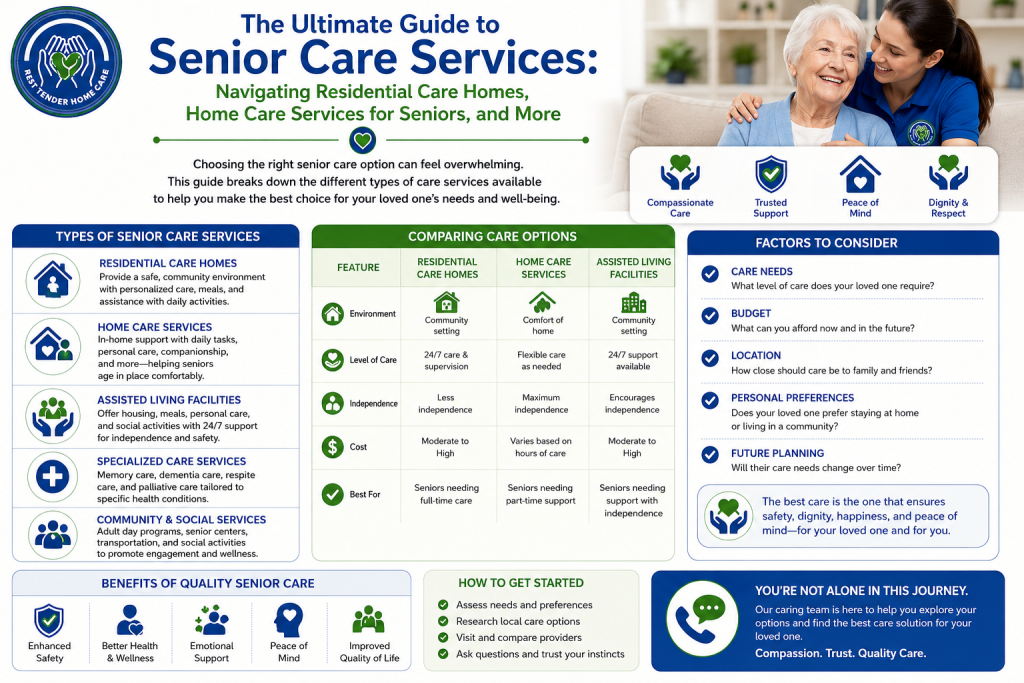
📋 Key Takeaways
- Senior care services encompass a range of options, including residential care homes and home care services, to support the unique needs of older adults.
- Residential care homes provide 24/7 care and supervision, while home care services offer flexible, in-home support with daily tasks and personal care.
- In-home care agencies can help families navigate the senior care landscape and find the right services for their loved ones.
- With over 70% of adults aged 65 and older requiring some form of long-term care, it’s essential to understand the available options and plan accordingly.
- By exploring senior care services and creating a personalized care plan, families can ensure their loved ones receive the support and care they need to thrive.
📑 Table of Contents
Introduction to Senior Care Services
As the population ages, the demand for senior care services is on the rise. With over 46 million adults aged 65 and older in the United States alone, it’s essential to understand the available options for supporting older adults. Senior care services encompass a range of options, including residential care homes, home care services, and adult day care programs. By exploring these options and creating a personalized care plan, families can ensure their loved ones receive the support and care they need to thrive.
According to the National Institute on Aging, approximately 70% of adults aged 65 and older will require some form of long-term care. This can include assistance with daily tasks, such as bathing, dressing, and managing medications. With the right support, older adults can maintain their independence and quality of life.
Overview of Residential Care Homes
Residential care homes provide 24/7 care and supervision for older adults who require ongoing support. These homes offer a range of services, including meal preparation, housekeeping, and personal care. Residential care homes can be a good option for those who require a high level of care and supervision, but still want to maintain some level of independence.
There are several types of residential care homes, including:
- Assisted living facilities: These facilities provide support with daily tasks, such as bathing and dressing, but also offer private living spaces and some level of independence.
- Nursing homes: These facilities provide 24/7 nursing care and supervision, and are often used for those who require a high level of medical care.
- Memory care facilities: These facilities provide specialized care and support for those with Alzheimer’s disease or other forms of dementia.
In-Depth Look at Home Care Services for Seniors
Home care services offer flexible, in-home support with daily tasks and personal care. These services can be tailored to meet the unique needs of each individual, and can include:
- Personal care: Assistance with bathing, dressing, and grooming.
- Homemaking: Support with household tasks, such as laundry and meal preparation.
- Medication management: Assistance with managing medications and ensuring they are taken as prescribed.
Home care services can be a good option for those who want to maintain their independence and stay in their own homes. According to the AARP, 75% of adults aged 50 and older prefer to stay in their own homes as they age. With the right support, this can be a reality.
Exploring In-Home Care Agencies and Their Benefits
In-home care agencies can help families navigate the senior care landscape and find the right services for their loved ones. These agencies often have a team of caregivers who are trained to provide a range of services, from personal care to homemaking. By working with an in-home care agency, families can ensure their loved ones receive the support and care they need, while also maintaining their independence and quality of life.
Some benefits of working with an in-home care agency include:
- Convenience: In-home care agencies can provide caregivers who are available to work a range of schedules, including evenings and weekends.
- Flexibility: In-home care services can be tailored to meet the unique needs of each individual, and can be adjusted as needs change.
- Peace of mind: In-home care agencies often have a team of caregivers who are trained and certified, providing families with peace of mind and confidence in the care their loved ones are receiving.
As we conclude our exploration of senior care services, it’s essential to remember that every individual is unique, and their care needs will vary. By understanding the available options and creating a personalized care plan, families can ensure their loved ones receive the support and care they need to thrive.
❓ Frequently Asked Questions
Q: What is the difference between assisted living and nursing home care?
Assisted living facilities provide support with daily tasks, such as bathing and dressing, but also offer private living spaces and some level of independence. Nursing homes, on the other hand, provide 24/7 nursing care and supervision, and are often used for those who require a high level of medical care.
Q: How do I know if my loved one needs senior care services?
If your loved one is having trouble with daily tasks, such as bathing or managing medications, it may be time to consider senior care services. You can also consult with a healthcare professional or a senior care advisor to determine the best course of action.
Q: What are the benefits of working with an in-home care agency?
In-home care agencies can provide convenience, flexibility, and peace of mind. They often have a team of caregivers who are trained and certified, and can provide a range of services, from personal care to homemaking.
Q: Can I afford senior care services on my own?
While senior care services can be expensive, there are often resources available to help families afford the care their loved ones need. This can include Medicaid, Veterans Administration benefits, and other forms of financial assistance.
Q: How do I find the right senior care services for my loved one?
You can start by consulting with a healthcare professional or a senior care advisor. They can help you determine the best course of action and provide recommendations for senior care services in your area.