📋 Key Takeaways
- Residential care homes provide a safe and supportive environment for elderly individuals, offering a range of benefits including social interaction, medication management, and assistance with daily activities.
- Choosing the right residential care home is crucial, with factors to consider including location, cost, and level of care required.
- Senior care services, including residential care homes, are in high demand, with the global market expected to reach $1.4 trillion by 2027.
- Residential care homes offer a unique alternative to traditional nursing homes, providing a more personalized and homely environment for residents.
- It is essential to research and understand the different types of senior care services available, including assisted living facilities and in-home care agencies, to make an informed decision.
📑 Table of Contents
Introduction to Residential Care Homes
Residential care homes, also known as adult family homes or board and care homes, provide a unique and supportive environment for elderly individuals. These homes offer a range of benefits, including social interaction, medication management, and assistance with daily activities. With the global population aging rapidly, the demand for senior care services, including residential care homes, is on the rise. According to the World Health Organization (WHO), the global population of people aged 60 and over is expected to reach 2.1 billion by 2050.
What are Residential Care Homes?
Residential care homes are small, private homes that provide care and support to a limited number of residents. These homes are often licensed and regulated by the state, and are required to meet certain standards of care and safety. Residential care homes offer a more personalized and homely environment than traditional nursing homes, with a focus on providing individualized care and support to each resident.
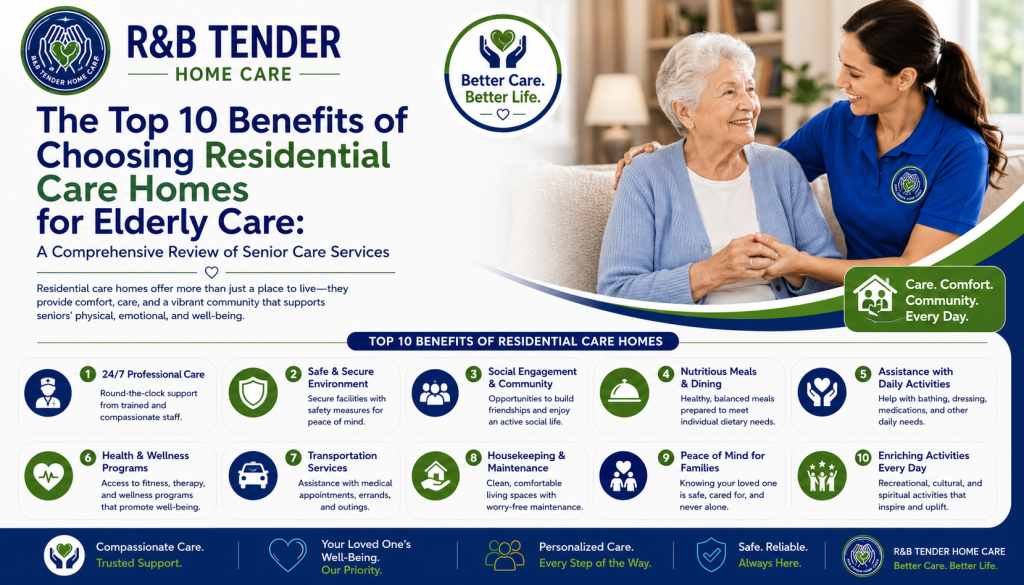
Top 10 Benefits of Residential Care Homes
Residential care homes offer a range of benefits, including:
- Social interaction: Residential care homes provide opportunities for residents to interact with others, reducing feelings of loneliness and isolation.
- Medication management: Trained staff can assist with medication management, ensuring that residents take their medications as prescribed.
- Assistance with daily activities: Residential care homes provide assistance with daily activities, such as bathing, dressing, and grooming.
- Housekeeping and laundry: Staff can assist with housekeeping and laundry, reducing the burden on residents.
- Meal preparation: Residential care homes provide meal preparation, ensuring that residents receive nutritious and balanced meals.
- Transportation: Many residential care homes offer transportation to medical appointments and other activities.
- Recreational activities: Residential care homes often provide recreational activities, such as arts and crafts, music, and exercise programs.
- Personalized care: Residential care homes offer personalized care and support, tailored to each resident’s unique needs and preferences.
- Cost-effective: Residential care homes can be a cost-effective alternative to traditional nursing homes or assisted living facilities.
- Support for families: Residential care homes can provide support and respite for families, reducing the burden of caregiving.
Overview of Senior Care Services
Senior care services, including residential care homes, are in high demand. The global market for senior care services is expected to reach $1.4 trillion by 2027, driven by the increasing population of elderly individuals. There are several types of senior care services available, including:
It is essential to research and understand the different types of senior care services available to make an informed decision.
How to Choose the Right Residential Care Home
Choosing the right residential care home is crucial. Factors to consider include:
- Location: Consider the location of the residential care home, including proximity to family and friends, medical facilities, and other amenities.
- Cost: Determine the cost of the residential care home, including any additional fees or charges.
- Level of care: Consider the level of care required, including any specialized care or support needs.
- Staff qualifications: Research the qualifications and experience of the staff, including any training or certifications.
- Amenities and services: Consider the amenities and services offered, including meal preparation, housekeeping, and recreational activities.
For more information on choosing the right residential care home, refer to our guide on finding the perfect fit.
Conclusion and Future of Elderly Care
In conclusion, residential care homes offer a unique and supportive environment for elderly individuals. With the global population aging rapidly, the demand for senior care services, including residential care homes, is on the rise. As the senior care industry continues to evolve, it is essential to stay informed about the latest trends and developments. For more information on senior care services, including residential care homes, visit our website.
❓ Frequently Asked Questions
Q: What is the difference between a residential care home and an assisted living facility?
A: Residential care homes are smaller, more personalized environments, while assisted living facilities are larger and often offer more amenities and services.
Q: How much does a residential care home cost?
A: The cost of a residential care home varies depending on the location, level of care, and amenities offered. On average, the cost of a residential care home is between $2,000 and $5,000 per month.
Q: What services are typically offered in a residential care home?
A: Residential care homes typically offer a range of services, including meal preparation, housekeeping, laundry, and assistance with daily activities.
Q: How do I choose the right residential care home for my loved one?
A: To choose the right residential care home, consider factors such as location, cost, level of care, staff qualifications, and amenities and services offered.
Q: What is the difference between a residential care home and in-home care?
A: Residential care homes provide a supportive environment and assistance with daily activities, while in-home care provides care and support in the individual’s own home.
Q: Are residential care homes regulated?
A: Yes, residential care homes are regulated by the state and are required to meet certain standards of care and safety.