📋 Key Takeaways
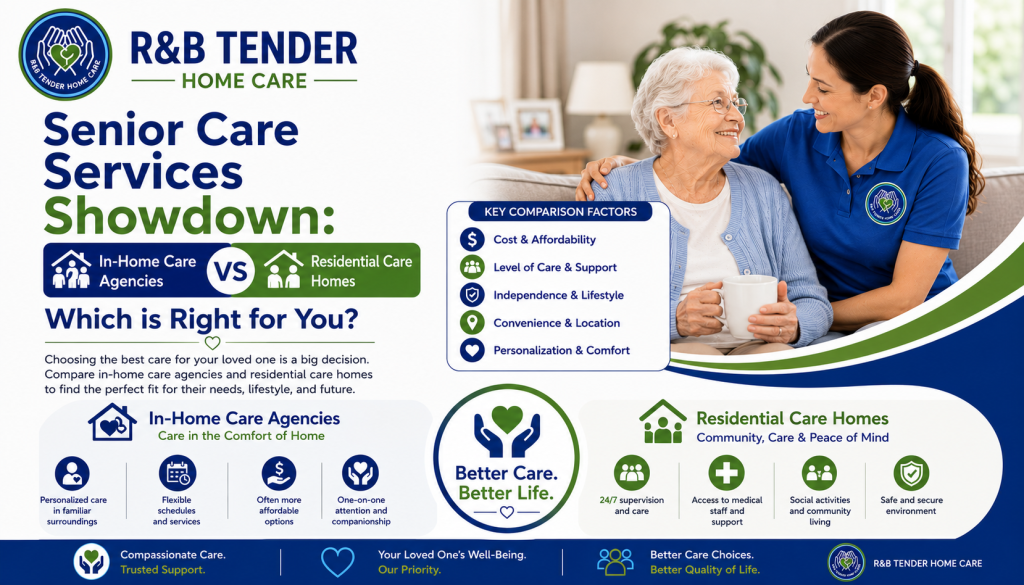
- In-home care agencies offer personalized care in the comfort of the senior’s own home, with benefits including increased independence and flexibility in care scheduling.
- Residential care homes provide a community-based living environment with 24/7 care and support, social interaction, and access to amenities and activities.
- The choice between in-home care agencies and residential care homes depends on the senior’s individual needs and preferences, as well as their budget and financial situation.
- It’s essential to research and compare different care options, considering factors such as cost, quality of care, and reputation of the care provider.
- Ultimately, the goal is to find a care solution that enhances the senior’s quality of life and provides peace of mind for their loved ones.
📑 Table of Contents
Introduction to Senior Care Services
As the population ages, the demand for senior care services is increasing. According to the U.S. Census Bureau, the number of Americans aged 65 and older is projected to reach 73 million by 2030. With this growth, comes the need for a range of care options that cater to the diverse needs and preferences of seniors. Home care services for seniors are becoming an increasingly popular choice, offering a range of benefits including increased independence and flexibility in care scheduling. For more information on senior care services, check out our Ultimate Guide to Senior Care Services.
In-Home Care Agencies: Pros and Cons
In-home care agencies provide personalized care in the comfort of the senior’s own home. The benefits of in-home care include:
* Increased independence: Seniors can maintain their independence and continue to live in their own home.
* Flexibility: Care scheduling can be tailored to meet the senior’s individual needs and preferences.
* Personalized care: Caregivers can provide one-on-one attention and care.
However, there are also some drawbacks to consider:
* Cost: In-home care can be expensive, especially for 24/7 care.
* Limited social interaction: Seniors may experience social isolation if they are not able to leave their home.
For a comprehensive comparison of in-home care agencies and residential care homes, check out our article on Home Care Services for Seniors.
Residential Care Homes: Pros and Cons
Residential care homes provide a community-based living environment with 24/7 care and support. The benefits of residential care homes include:
* Community and social interaction: Seniors can interact with other residents and staff, reducing the risk of social isolation.
* Access to amenities and activities: Many residential care homes offer amenities such as dining rooms, activity rooms, and outdoor spaces.
* 24/7 care and support: Seniors can receive around-the-clock care and support.
However, there are also some drawbacks to consider:
* Loss of independence: Seniors may have to adjust to a more structured environment.
* Cost: Residential care homes can be expensive, especially for private rooms.
For more information on residential care homes, check out our article on Assisted Living Facilities Near Me.
Comparison of In-Home Care Agencies and Residential Care Homes
When comparing in-home care agencies and residential care homes, there are several factors to consider:
* Cost: In-home care can be more expensive than residential care homes, especially for 24/7 care.
* Level of care: Residential care homes can provide a higher level of care, including skilled nursing and rehabilitation services.
* Quality of life: In-home care can provide a more personalized and flexible care experience, while residential care homes offer a community-based living environment.
For a step-by-step guide to choosing the best assisted living facilities near you, check out our article on Finding the Perfect Fit.
Conclusion
The choice between in-home care agencies and residential care homes depends on the senior’s individual needs and preferences, as well as their budget and financial situation. It’s essential to research and compare different care options, considering factors such as cost, quality of care, and reputation of the care provider. By weighing the pros and cons of each option, seniors and their loved ones can make an informed decision that enhances the senior’s quality of life and provides peace of mind. For more information on elderly care options, check out our article on Elderly Care Options.
❓ Frequently Asked Questions
Q: What is the difference between in-home care agencies and residential care homes?
In-home care agencies provide personalized care in the comfort of the senior’s own home, while residential care homes offer a community-based living environment with 24/7 care and support.
Q: How do I choose the best in-home care agency for my loved one?
Research and compare different care agencies, considering factors such as cost, quality of care, and reputation of the care provider. You can also ask for referrals from friends, family, or healthcare professionals.
Q: What are the benefits of residential care homes?
Residential care homes offer a range of benefits, including community and social interaction, access to amenities and activities, and 24/7 care and support.
Q: What is the best way to pay for senior care services?
There are several ways to pay for senior care services, including private pay, Medicare, Medicaid, and veterans’ benefits. It’s essential to research and explore the different payment options available to you.
Q: How do I know if my loved one needs senior care services?
If your loved one is struggling with daily tasks, such as bathing, dressing, or managing medications, they may benefit from senior care services. You can also consult with a healthcare professional to determine the best course of care.